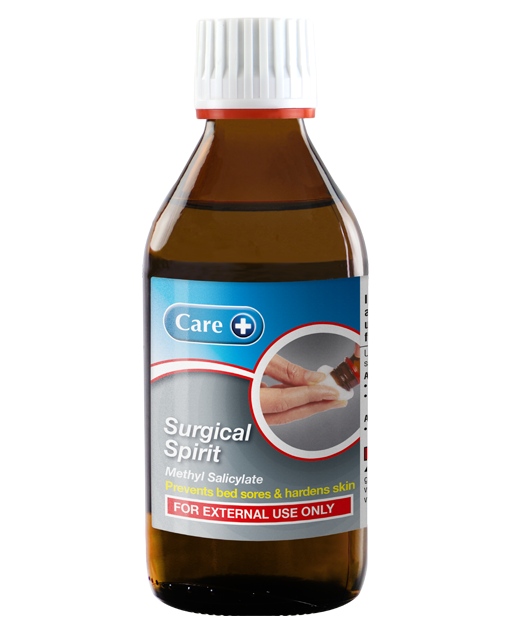
Recommended Doses
Adults, elderly and children: apply directly to the skin with cotton wool as required. Do not apply to broken skin. For external use only.
See the product label for more information or view the Patient Information Leaflet.
This is the leaflet included in the pack with a medicine. It gives information about taking or using a medicine. It is possible that the leaflet in your medicine pack may differ from this version because it may have been updated since your medicine was packaged.
If in doubt, always talk to a healthcare professional.
Treatments for bedsores (also known as pressure ulcers or pressure sores) depend on how severe they are.
For some people, they’re an inconvenience that requires minor nursing care, for others, they can be serious.
Ways to stop pressure ulcers getting worse and help them heal include:
Applying special dressings that speed up the healing process and may help to relieve pressure; Moving and regularly changing your position; Using specially designed static foam mattresses or cushions, or dynamic mattresses and cushions that have a pump to provide a constant flow of air; Eating a healthy, balanced diet; A procedure to clean the wound and remove damaged tissue (debridement).
Surgery to remove damaged tissue and close the wound is sometimes used in the most serious cases.
Bedsores (pressure ulcers or pressure sores) are injuries to the skin and underlying tissue, primarily caused by prolonged pressure on the skin.
Early symptoms of a pressure ulcer include:
Part of the skin becoming discoloured – people with pale skin tend to get red patches, while people with dark skin tend to get purple or blue patches
Discoloured patches not turning white when pressed
A patch of skin that feels warm, spongy or hard
Pain or itchiness in the affected area
If in hospital or a care home, you should tell your healthcare team as soon as possible if you develop symptoms of a pressure ulcer. You should be regularly monitored and offered advice and treatment to reduce the risk of pressure ulcers, but sometimes they can develop even with the highest standards of care. If you are recovering from illness or surgery at home, or are caring for someone confined to bed or a wheelchair, you should contact your GP surgery if you think you or the person you’re caring for might have a pressure ulcer.
Who can use this product:
It can be used by adults, the elderly and children.
Do not apply to broken skin.
Pregnant and breastfeeding mothers should only use if advised by a doctor.